
How Many of us Do We Want to Know Like Human With Artificial Intelligence?
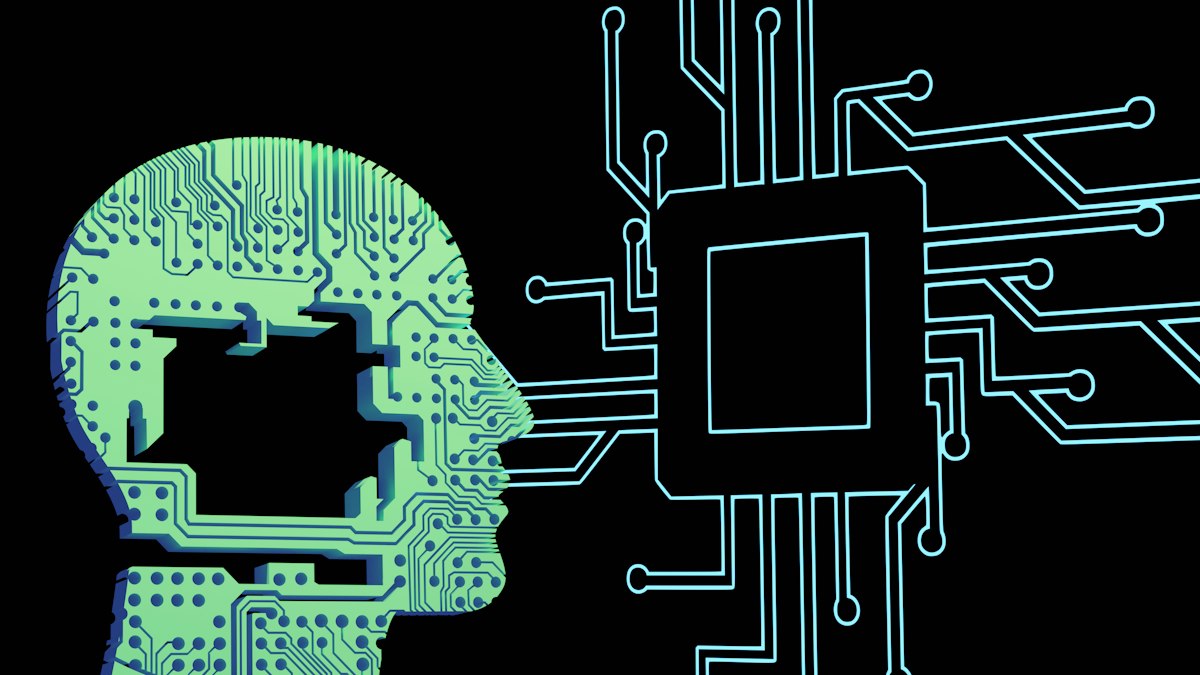
The human brain, even when talking with a simple chatbot, wants to kiss him personality and feelings. This instinctive behavior has become a more critical question with the prevalence of AI technologies: *Is it ethical to act as human to a AI system, or mislead us? *
Psychologist Dr. Sherry Turkle’s research reveals this psychological trend clearly:
- Duygusal speculation: Even in the most primitive interactions with “Relational structures” people think that the system attaches importance to them -**: As we care for AI, AI in our mind is also felt as it corresponds to us
- Biological response: The human brain has been married to establish social connection for thousands of years, and AI places this loop
- The speed of infection: Users give emotional reactions even if they know AI feels truly empathy
This phenomenon is more pronounced especially in people with a lack of old population, only individuals or social support. A AI assistant can use every day, replace real human relations and deepen social insulation.
- What should we do?* In the design of technology companies, this psychological trap must be kept in mind. By offering AI systems more transparent and self-limited, users can help protect the difference between reality and fantasy. Otherwise, taking advantage of this weakness of our human psychology can give serious social results in the long run.